
ISO Certified Manufacturer
Trusted
Quality
Meghachem Industries manufactures and exports high-purity tin chemicals used in electroplating, glass manufacturing, reducing agents, and surface finishing industries worldwide. Trusted by industrial buyers in 25+ countries for over 30 years.
Tin Chemical Solutions
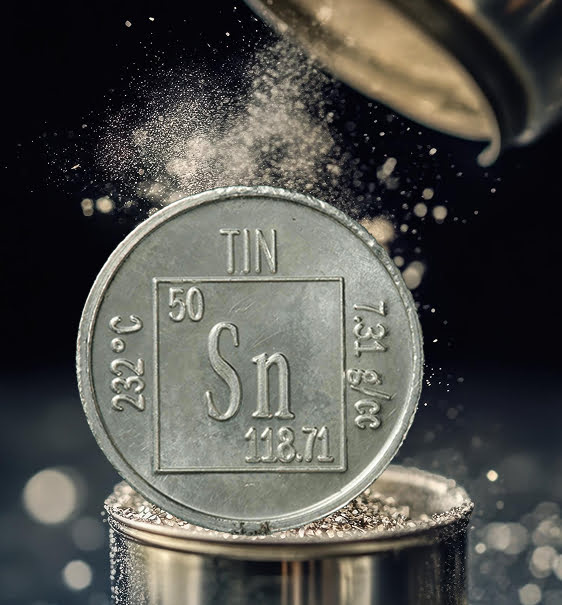
Tin has been used in many ways, and as an element perhaps is best known for its use in tin cans. And this metal is used to prevent corrosion and to produce glass. It is most often found mixed, or alloyed, with other metals.
Electro-plating is an important application of tin. It can be done through the electroplating of a small coat of tin using Stannous Sulphate, Sodium Stannate & Potasium Stannate around objects of steel, copper, aluminium etc.
The most important tin salt used is tin (II) chloride which is used as a reducing agent and as a mordant. Tin salts sprayed onto glass are used to produce electrically conductive coatings. Most window glass is made by floating molten glass on molten tin to produce a flat surface. Recently, a tin-niobium alloy that is superconductive at very low temperatures has attracted interest.
Tin Through the Ages

3500 BC
Tin was first used around 3500 BC in Mesopotamia and later mined in Turkey. It became valuable for bronze making and its resistance to corrosion.
2050 BC
The Sumerians had recognized that if different ores were blended together in the smelting process different type of copper would flow easily.
2000 BC
Copper implements contained very little tin as local reserves of tin had been exhausted. The first tin artefacts.
1649 AD
Elements such as gold, silver, tin, copper, lead and mercury have been known since antiquity. The first scientific discovery of element occurred in 1649 and it was the discovery of phosphorus by Henning Brand.
1670 AD
Andrew Yarranton undertook, at the expense of some enterprising persons, a journey into Saxony, order to discover the art of making tin.

1810 AD
The history of tin began in 1810. The British Government granted a patent to a merchant, Peter Durand for his idea of using.
1871 AD
James Smith found the rich deposit of tin at Mount Bischoff. The discovery of tin drew the attention of the people to the investigation of the rich mineral resources of the colony.
1929 AD
World War 1, metal tin was the medical first aid item issued to the military soldiers.
1988 AD
The tin mine was closed after 4000 years of Tin mining.
2007 AD
The ten largest companies produced most of the world's tin in 2007. Most of the world's tin is traded on the London Metal Exchange. Largest mining companies by production in tons.
Our Core Products
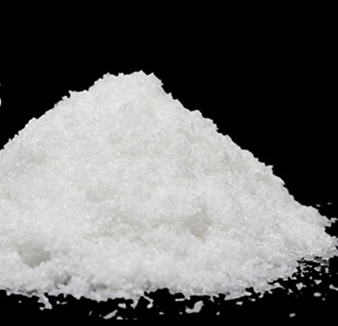
Gujarat's Trusted Tin Chemical Manufacturer
Tin has been an essential industrial metal for thousands of years. Today, tin salts and compounds are critical to modern manufacturing processes in electroplating, electronics, glass production, and chemical synthesis. Meghachem Industries manufactures and supplies four primary tin chemicals from our GIDC Vatva, Ahmedabad facility to industrial buyers across 25+ countries.
Tin is perhaps best known today for its role in preventing corrosion and producing flat glass. Most window glass is made by floating molten glass on molten tin to produce a flat surface. In the chemical industry, tin salts are vital for electroplating steel, copper, and aluminium objects, and tin(II) chloride is one of the most important tin salts, used as a reducing agent and mordant across multiple industries.
Electro-plating is a key application of our tin chemicals. It is done by applying a thin coat of tin using Stannous Sulphate, Sodium Stannate, and Potassium Stannate onto objects made of steel, copper, and aluminium. Our tin compounds are produced under strict quality controls and supplied with full technical documentation to support industrial procurement requirements.

Batch-Level Quality Testing
Every production batch is tested for purity assay, moisture content, and trace impurities before dispatch. Certificates of Analysis are provided with all shipments.
Flexible Pack Sizes for All Buyers
Available in 25 kg HDPE bags, 50 kg drums, and jumbo bags. We accommodate both trial orders for qualification and long-term bulk supply contracts.
Export-Ready Documentation
All shipments include COA, MSDS, packing list, and country-specific compliance documentation. We export regularly to Frankfurt, Hamburg, Rotterdam, Dubai, Jakarta, and Ho Chi Minh City.
6,000
MT Annual Capacity
25+
Countries Export Reach
5
Advanced Manufacturing Units
20+
Years of IndustryExperience
Industries That Use Our Tin Chemicals
Our tin compounds serve a wide range of industries that require reliable, high-purity chemical inputs for electroplating, glass, textiles, and surface finishing processes.
Electroplating & Surface Finishing
Stannous Sulphate, Sodium Stannate, and Potassium Stannate are the core tin salts used in electroplating baths to deposit a thin coat of tin onto steel, copper, and aluminium objects, providing corrosion resistance and improved surface finish.
Glass Manufacturing
Most flat window glass is produced by floating molten glass on molten tin to achieve a perfectly flat surface. Tin salts sprayed onto glass are also used to produce electrically conductive coatings for smart glass, low-e glass, and display panels.
Chemical Synthesis & Reducing Agent
Tin(II) Chloride is widely used in organic and inorganic chemical synthesis as a reducing agent. It converts nitro groups to amino groups and reduces metal salts, making it essential in pharmaceutical intermediates and fine chemical manufacturing.
Textile Dyeing & Mordanting
Tin Chloride functions as a mordant in textile dyeing, fixing dyes to fabric fibres to improve colour fastness. It is used in the dyeing of silk and wool with natural and synthetic dyes, particularly in speciality fabric manufacturing.
Electronics & PCB Manufacturing
Tin plating using Stannous Sulphate is widely applied in the electronics industry to coat component leads, connectors, and PCB contacts, providing solderability and oxidation resistance for long-term reliability in electronic assemblies.
Corrosion Protection G& Packaging
Tin's natural resistance to corrosion makes tin-plated steel (tinplate) the standard material for food cans and packaging. Stannous Sulphate-based electroplating is central to producing the thin, food-safe tin coating on tinplate used globally.
Why Industrial Buyers Choose Us as Their Tin Chemical Supplier
Procurement teams across the electroplating, glass, and electronics industries choose Meghachem for consistent quality, reliable supply, and responsive service.

20+ Years of Tin Chemical Manufacturing
We have been producing tin chemicals since the early 1990s. Our production teams understand the exact purity and physical property requirements of electroplating baths and industrial processes, and our process controls deliver this consistently.
Proven Export Track Record
We have been exporting tin chemicals to buyers in Germany, the Netherlands, Turkey, UAE, Indonesia, Vietnam, and more for years. Our export documentation and compliance packages are built for international procurement requirements.
Trial Orders Welcome
We welcome qualification orders from new customers. Whether you are testing our Stannous Sulphate in your plating bath or qualifying Sodium Stannate for a new application, we supply trial quantities with full technical support.
Every Batch Tested Before Dispatch
We do not dispatch without testing. Every lot is verified for assay, moisture, and impurity levels in our in-house laboratory. Certificate of Analysis accompanies every shipment, so your incoming quality checks are straightforward.
Direct Line to Technical Team
You work directly with our production and technical staff, not through intermediaries. This means specification queries, sample requests, and price confirmations are handled faster, with full accountability at every step.
Short Lead Times from Ahmedabad
Our Vatva, Ahmedabad facility sits close to Mundra and Nhava Sheva ports, allowing lead times of 7 to 21 days depending on order size and destination. We confirm dispatch schedules at the time of order confirmation.
Our Manufacturing & Quality Control Process
Every tin chemical that leaves our facility passes through a structured,stage-gated production and quality control process.


Raw Material Procurement
Only certified-grade tin raw inputs are sourced. Incoming lots are tested before entering the production line.
Controlled Synthesis
Chemical reactions run under monitored temperature, pH, and concentration conditions specific to each tin compound.


In-House Lab Testing
Finished product tested for purity assay, moisture, particle distribution, and trace impurities before release.
Packing & Dispatch
Approved batches packed in moisture-resistant packaging and dispatched with full COA and MSDS documentation.


ISO Certified
Manufacturing
Documentation
REACH Compliant
Grades Available
GIDC Vatva,
Ahmedabad Facility
Tin Chemical Exporter from Gujarat to 25+ Countries
Meghachem Industries exports tin chemicals to industrial buyers across Europe, the Middle East, Southeast Asia, and North America. Our export operations are fully managed in-house, giving buyers reliable timelines and complete documentation support from our Ahmedabad base.
We are one of the leading exporters of tin chemicals from India, regularly shipping to Frankfurt, Cologne, Hamburg, Rotterdam, Istanbul, Dubai, Oman, Jakarta, Ho Chi Minh City, Munich, and Ohio. All shipments come with Certificates of Analysis, MSDS, and country-specific compliance documentation on request.
Germany
Netherlands
Turkey
UAE
Japan
Oman
Indonesia
Vietnam
USA (Ohio)
Singapore
Malaysia
United Kingdom
Tin Chemicals - Meghachem Industries
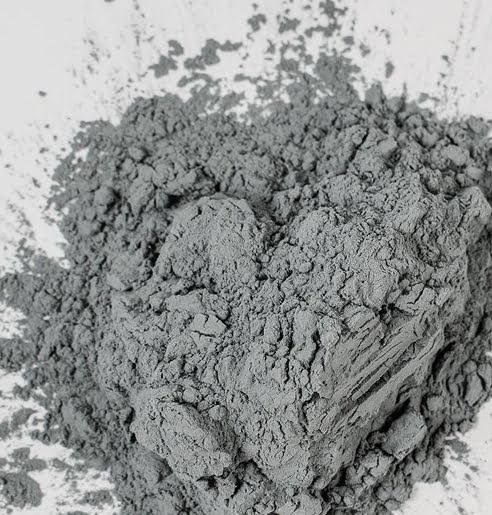
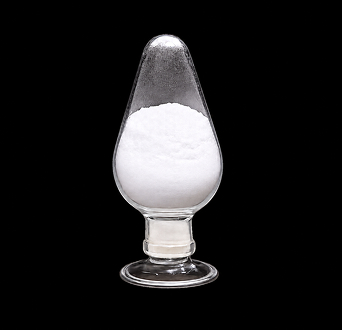
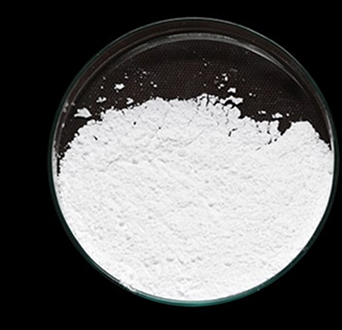
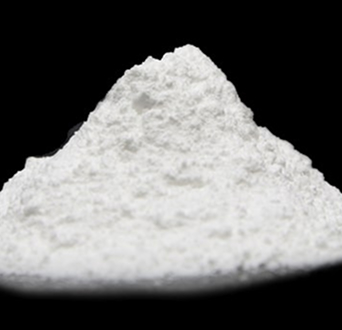
Meghachem manufactures four tin compounds: Tin(II) Chloride (SnCl₂), Tin(II) Sulphate (SnSO₄), Sodium Stannate (Na₂SnO₂·3H₂O), and Potassium Stannate (K₂SnO₂·3H₂O). All are produced at their GIDC Vatva, Ahmedabad facility.
Tin(II) Chloride is used as a reducing agent in chemical synthesis, as a mordant in textile dyeing, for producing electrically conductive glass coatings, in mirror silvering, and as a sensitizer in electroplating. It is also used in pharmaceutical intermediate production.
Both are used in alkaline tin electroplating baths, but Potassium Stannate offers greater bath stability and is preferred for high-precision plating applications in electronics and aerospace. Sodium Stannate is more commonly used for general-purpose alkaline tin plating of steel and aluminium parts. The choice depends on the specific plating bath chemistry and deposit quality requirements.
It is the primary tin salt used in acid tin electroplating baths. It deposits a uniform tin coat onto steel, copper, and aluminium for corrosion resistance, solderability, and surface finish. Widely used in tinplate production for food packaging and electronics component plating.
Their tin chemicals serve electroplating and surface finishing, glass manufacturing (flat glass and conductive coatings), electronics and PCB manufacturing, textile dyeing and mordanting, chemical synthesis, and food-grade tin packaging.
What Our Clients Say
Our clients rely on us for consistent quality and dependable supply. Their feedback reflects the trust and long-term relationships we build through every delivery.

It’s awesome, really. I can’t say enough about how well it’s tailored to the needs of the Plating industry. Our team has been using other products with varying degrees of satisfaction.
Amit Sharma
Industrial Client

Meghachem Industries consistently delivers high quality copper chemicals with reliable service. Their expertise and timely deliveries make them a trusted business partner.
Mahesh Jani
Plant Manager

Their technical expertise and commitment to quality have exceeded our expectations. We appreciate their prompt service and attention to detail.
Nirav Mehta
Quality Assurance Head

Meghachem understands industrial requirements and delivers every order with consistency. Their team is responsive and easy to work with.
Ketan Desai
Purchase Head

Excellent product quality, competitive pricing, and dependable deliveries. Meghachem has become one of our preferred chemical suppliers.
Sanjay Trivedi
Supply Chain Manager
Product Inquiry
Meghachem Industries, Ahmedabad, Gujarat, India

Business Hours
Feel free to reach out us anytime.
Mon - Sat:
10:00 AM - 18:00 PM
Sunday:
Closed
Calendar Events:
Closed
Contact Info:
Phone:
+91 991 376 7075
Phone:
+91 982 503 2614
Email:
purchase@meghachem.org
Email:
meghachemindustries@outlook.com
Location:
Plot No.8, Phase-2, NR Kadamb Restaurant, GIDC Vatva, Ahmedabad-382445, Gujarat, India.
