Water treatment chemicals in India fall into six main groups: coagulants and flocculants, disinfectants and biocides, pH adjusters, scale inhibitors, corrosion inhibitors, and oxygen scavengers. Each does a different job, from clarifying raw water to protecting a cooling tower, and the rules that apply depend on whether the water is going into a tap, a boiler, or a river.
Here’s a plain guide to the types, where they’re used, and the Indian compliance points worth checking before you buy or dose.
The Main Types of Water Treatment Chemicals
| Type | Common examples | Typical use |
|---|---|---|
| Coagulants and flocculants | Alum, polyaluminium chloride (PAC), ferric chloride, polyacrylamide | Removing turbidity and suspended solids |
| Disinfectants and biocides | Chlorine, sodium hypochlorite, chlorine dioxide, ozone | Killing microbes in drinking water and cooling systems |
| pH adjusters | Caustic soda, lime, soda ash, sulphuric acid | Holding pH in the range other chemicals need |
| Scale inhibitors | Phosphonates, polyacrylates | Stopping hardness scale in boilers, cooling systems, and RO membranes |
| Corrosion inhibitors | Zinc salts, molybdates, phosphates, azoles | Protecting steel, copper, and alloys in cooling and boiler circuits |
| Oxygen scavengers | Sodium sulphite, DEHA | Removing dissolved oxygen from boiler feedwater |
Where Each Type Is Used
- Municipal and drinking water: coagulants, disinfectants, and pH control, with treated water measured against IS 10500:2012.
- Cooling towers and chillers: corrosion inhibitors, scale inhibitors, and biocides working together.
- Boilers: oxygen scavengers plus scale and corrosion control.
- Effluent treatment: coagulants, flocculants, and pH adjusters, so discharge meets the limits set by the state pollution control board.
Zinc and Molybdate: Metal-Based Corrosion Inhibitors
Corrosion and scale inhibitors are among the largest segments of India’s water treatment chemicals market, and cooling water is where metal-salt inhibitors do their work.
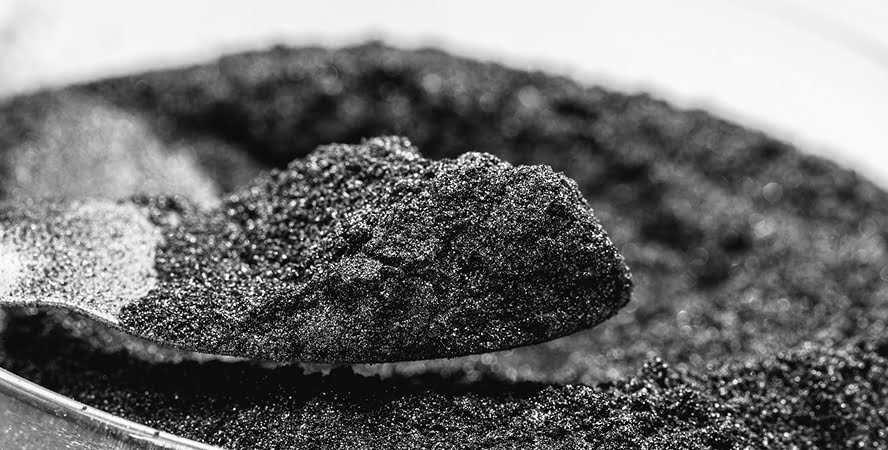
Zinc chloride liquid, a 42 to 46 percent ZnCl2 solution, is a ready-to-dose zinc source for cooling water inhibitor programmes, often blended with phosphonates or other inhibitors. Sodium molybdate is a non-oxidising anodic inhibitor, reported to protect at roughly 50 to 100 ppm where nitrite needs 800 ppm or more. The lower dose keeps conductivity down, which reduces galvanic corrosion risk in mixed-metal systems. On its own it needs high dosing, so it’s usually paired with other inhibitors, most often in closed-loop systems.
The trade-off is discharge. Zinc and phosphate in blowdown are both regulated, which is why molybdate-based programmes can suit sites with tight discharge limits.
Need zinc chloride liquid or sodium molybdate for a cooling water programme?
Compliance: What to Check Before You Buy or Dose
BIS standards and Quality Control Orders.
BIS publishes standards for several water treatment chemicals, including IS 15573 for polyaluminium chloride (which requires virgin raw materials so it is safe for drinking water) and IS 18103:2022 for polyacrylamide. Products under a notified Quality Control Order must carry the ISI mark, and that list changes, so confirm current status with BIS before you buy or import.
Drinking water quality.
Water for public supply is measured against IS 10500:2012, so use potable-suitable chemicals and keep dosing records.
Effluent discharge.
The Water Act, 1974 and the Environment (Protection) Act, 1986 require industries to hold State Pollution Control Board consent and stay within discharge limits. Where no sector-specific standard exists, CPCB’s general Schedule VI limits apply, for example 5 mg/L zinc for discharge to inland surface water, and your Consent to Operate can be stricter. Some higher-risk industries also face zero liquid discharge mandates and continuous online effluent monitoring.
Hazardous chemical handling.
Storage of hazardous chemicals such as chlorine can fall under the Manufacture, Storage and Import of Hazardous Chemicals Rules, 1989. Use compatible tanks (HDPE, PP, FRP, or rubber-lined for acidic solutions) and keep a current SDS for every product.
Supplier paperwork.
Ask for a Certificate of Analysis with each batch and verify the supplier’s ISO certification and manufacturing address.
Meghachem Industries is an ISO-certified chemical manufacturer in GIDC Vatva, Ahmedabad, supplying zinc and molybdate chemicals with every batch quality-tested before dispatch.
FAQs
Coagulants and flocculants, disinfectants and biocides, pH adjusters, scale inhibitors, corrosion inhibitors, and oxygen scavengers for boilers.
Corrosion inhibitors such as zinc salts, molybdates, phosphates, and azoles, plus scale inhibitors and biocides.
It depends on the chemical. BIS publishes standards for many, but only products covered by a notified Quality Control Order must carry the ISI mark. Check the current list before buying or importing.
It forms a protective film on metal surfaces and is reported to work at about 50 to 100 ppm, far below nitrite. That suits mixed-metal and closed-loop systems.
CPCB’s general Schedule VI standard is 5 mg/L for discharge to inland surface water. Sector-specific standards and your Consent to Operate may be stricter.